China has become a major manufacturing hub for amino acid ingredients and finished nutrition products. This guide introduces China’s top 10 Amino Acid Supplements suppliers, with attention to quality, product range, and business reliability. The list is not based on popularity alone. It considers manufacturing experience, testing systems, certifications, export capability, and customer support.
A dependable supplier should provide clear specifications for each amino acid. These may include purity, source, dosage form, solubility, and shelf life. Buyers should also request recent certificates of analysis, microbiological reports, heavy metal testing, and batch traceability records. A clean production room matters. So does a labeled sample jar with a matching lot number. Certifications such as GMP, ISO, HACCP, or relevant market approvals can support trust, but they do not replace independent verification.
Supplier performance can change. No ranking is permanent. Prices, minimum order quantities, lead times, and formulation services may differ significantly between companies. Some manufacturers focus on bulk powders, while others produce capsules, tablets, sachets, or private-label blends. Our review therefore combines publicly available information with practical purchasing considerations. It also recognizes a limitation: supplier claims may require direct confirmation before a contract is signed. Buyers should review local food and supplement regulations, conduct sample testing, and confirm labeling requirements for their target market. A strong partnership begins with evidence, not attractive promises.
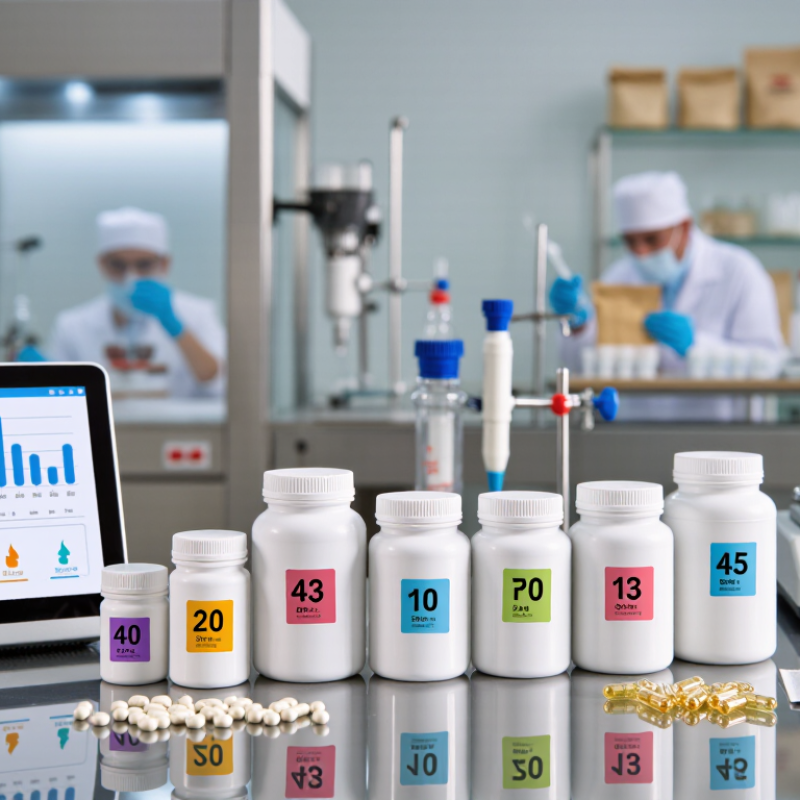
China Top 10 Amino Acid Supplement Suppliers?
Amino Acid Supplements: Types, Uses, and Market Overview
Amino acid supplements support protein synthesis, exercise recovery, and specific dietary needs. They usually include essential amino acids, branched-chain amino acids, single amino acids, or complete blends. Essential amino acids must come from food or supplements because the body cannot produce them. Branched-chain formulas commonly contain leucine, isoleucine, and valine. Needs differ.
In practical sourcing, suppliers should provide clear ingredient specifications, batch testing, allergen statements, and traceable production records. Independent laboratory results can verify identity, purity, heavy metal limits, and microbial safety. Manufacturing quality systems also matter. A low price may hide weaker testing or inconsistent raw materials. The label matters.
The market serves sports nutrition, clinical nutrition, aging-related nutrition, and general wellness. Demand is growing for clean-label powders, ready-to-mix products, vegetarian formulas, and personalized blends. However, market growth does not prove every claimed benefit. Evidence varies by amino acid, dosage, and user condition. I would avoid ranking suppliers by popularity alone. Their documentation, quality controls, delivery performance, and technical communication deserve equal attention. Buyers should also review local labeling rules and consult qualified professionals before recommending products for medical use. One limitation remains: published supplier information may change quickly, so each evaluation needs current records and independent verification.
A supplier’s position on a top-ten list should never replace careful verification. Experience begins with production evidence, not attractive website claims. Ask for factory photographs, manufacturing records, and recent batch numbers. Confirm whether the facility produces amino acid powders, capsules, or both. Different formats require different controls.
Request a complete certificate of analysis for each intended product. It should identify assay results, moisture, heavy metals, microbial limits, and testing methods. Independent laboratory reports add credibility. Check whether the laboratory’s name, test date, and sample code match the shipment. A neat PDF proves little.
Traceability matters. Reliable suppliers should connect raw material lots to finished-product batches and retain samples. Review their quality system, audit history, export documents, and change-control procedures. A video tour can help, but an on-site audit offers stronger evidence. Not every supplier welcomes detailed questions.
Evaluate packaging and logistics too. Ask how moisture-sensitive powders are sealed, labeled, and stored. Confirm minimum order quantities, lead times, payment terms, and complaint handling. A delayed response during quotation may become a serious issue after payment. Request a small trial order before signing a large contract. I would also compare two or three test batches, because one successful sample can create false confidence. Mistakes happen, even with experienced manufacturers. Clear records make those mistakes easier to detect and correct.
China’s leading amino acid supplement suppliers differ in scale, specialization, and quality systems. This profile reviews ten supplier types commonly seen in the market, rather than promoting specific brands. Several focus on single amino acids, such as leucine, glycine, or glutamine. Others provide blended powders, capsules, tablets, or customized formulas. Their facilities may serve sports nutrition, clinical nutrition, and general wellness applications.
The strongest suppliers usually show batch records, specification sheets, and certificates from independent laboratories. They can explain raw material origin, production controls, allergen handling, and storage conditions. Some maintain certifications for food safety and quality management. A careful buyer should also check heavy metal limits, microbial results, moisture levels, and packaging integrity. Samples matter. A polished website does not prove consistent manufacturing.
Among the ten profiles, some suppliers stand out for flexible minimum orders and fast formula adjustments. Others offer large-scale production but less customization. A few provide technical support, while smaller factories may respond more directly to formulation questions. Export experience can simplify documentation, yet it should not replace verification. Rankings can change as audits, facilities, and regulations change.
I would request recent test reports, production photographs, and a traceable sample before signing a contract. My assessment remains limited without an on-site audit, and that limitation deserves attention.
China Top 10 Amino Acid Supplement Suppliers?
Comparing China’s leading amino acid supplement suppliers requires more than checking price lists. Product quality begins with raw material identity, purity testing, and stable batch performance. During supplier evaluations, request recent Certificates of Analysis, microbial results, heavy metal reports, and sample retention records. A clean sample is useful, but repeated consistency matters more.
Look for facilities operating under ISO 9001 and GMP systems. HACCP or FSSC 22000 certification can also show stronger food safety controls. However, certificates should be verified with the issuing organization. They should match the actual factory address and product scope. A certificate alone proves little. Ask whether testing is performed in-house, independently, or both. Method validation and calibration records reveal practical competence.
Manufacturing capacity needs careful examination. Review monthly output, fermentation or synthesis equipment, warehouse conditions, and backup utilities. Large capacity may indicate resilience, yet it can hide crowded production schedules. Smaller facilities may provide closer attention but face supply risks. No audit is perfect. I would compare three production batches, not one. Also check lead times, export documentation, complaint handling, and recall procedures. A reliable supplier answers technical questions clearly and admits limitations. That honesty is often more valuable than polished sales language.
| Supplier | Typical Product Portfolio | Quality-System Indicators | Certification Coverage | Manufacturing Capacity Band | Quality & Testing Capability | Export Readiness | Overall Assessment |
|---|---|---|---|---|---|---|---|
| Supplier 01 | Branched-chain amino acids, essential amino acids, sports-nutrition blends | GMP-oriented productionBatch traceabilityCOA issued per lot | ISO 9001HACCPHalalKosher | >50,000 metric tons/year | Routine HPLC testing; microbial, heavy-metal, moisture, and identity testing; third-party testing available | Strong documentation support for international food and supplement buyers | ★★★★★ Large-scale and export-oriented |
| Supplier 02 | Single amino acids, pharmaceutical-grade intermediates, nutrition ingredients | GMP controlsValidated processesSupplier qualification | ISO 9001ISO 14001HACCPHalal | 20,000–50,000 metric tons/year | HPLC and GC capability; stability and impurity testing available for selected products | Suitable for regulated and private-label supply programs | ★★★★★ Strong technical and compliance profile |
| Supplier 03 | Glutamine, arginine, citrulline, taurine, and sports-nutrition amino acids | Food-grade controlsTraceable batchesIn-process testing | ISO 9001HACCPHalal | 20,000–50,000 metric tons/year | Identity, assay, microbiological, and contaminant testing; external laboratory confirmation on request | Established bulk-export capability and multilingual documentation | ★★★★☆ Balanced quality and capacity |
| Supplier 04 | Essential amino acids, collagen-support ingredients, functional nutrition blends | GMP-orientedCAPA proceduresChange-control system | ISO 9001FSSC 22000HalalKosher | 5,000–20,000 metric tons/year | HPLC assay testing; allergen, pesticide, heavy-metal, and microbiological testing according to specification | Good support for finished-product manufacturers and brand owners | ★★★★☆ Good certification depth |
| Supplier 05 | Branched-chain amino acids, recovery formulas, amino-acid premixes | ISO-based proceduresLot codingIncoming-material control | ISO 9001HACCPHalal | 5,000–20,000 metric tons/year | Routine assay and microbiological testing; selected tests outsourced to accredited laboratories | Flexible packaging and private-label support for medium-sized orders | ★★★★☆ Flexible mid-sized supplier |
| Supplier 06 | Food-grade lysine, glycine, alanine, and blended amino-acid powders | Food-safety programBatch recordsCleaning validation | ISO 9001HACCPHalal | 5,000–20,000 metric tons/year | Assay, pH, moisture, microbial, and heavy-metal testing; COA supplied with shipments | Reliable for standard food and beverage applications | ★★★☆☆ Practical cost-to-quality option |
| Supplier 07 | Specialty amino acids, pharmaceutical nutrition ingredients, customized blends | GMP controlsDedicated production areasDeviation management | ISO 9001GMPHalalKosher | <5,000 metric tons/year | Enhanced impurity profiling and analytical-method support for selected products | Best suited to specialty, lower-volume, higher-specification orders | ★★★★☆ Strong for customized products |
| Supplier 08 | Sports-nutrition amino acids, instantized powders, flavored amino-acid systems | GMP-orientedAllergen controlsFinished-blend traceability | ISO 9001HACCPHalal | 5,000–20,000 metric tons/year | Assay, particle-size, flowability, microbial, and sensory testing for selected blends | Strong private-label and formulation support; suitable for online nutrition products | ★★★★☆ Good formulation flexibility |
| Supplier 09 | Basic amino acids, feed and food-grade ingredients, commodity powders | Standard QA proceduresSupplier auditsCOA management | ISO 9001HACCPHalal | 20,000–50,000 metric tons/year | Routine identity, assay, moisture, microbial, and heavy-metal testing | Competitive for container-volume purchases and standard specifications | ★★★☆☆ Strong capacity for conventional products |
| Supplier 10 | Plant-based nutrition blends, amino-acid complexes, customized supplement powders | Food-safety systemTraceability programFinished-product inspection | ISO 9001HACCPHalalKosher | <5,000 metric tons/year | Identity, assay, allergen, microbiological, and contaminant testing; third-party verification available | Well suited to small and medium custom orders with shorter formulation cycles | ★★★☆☆ Flexible niche supplier |
How to Select the Right Chinese Amino Acid Supplier for Your Needs
Choosing among China’s top amino acid supplement suppliers requires more than comparing prices. Start with the exact amino acid, purity level, dosage form, and intended market. A supplier experienced with sports nutrition may not understand pharmaceutical-grade documentation. Define your requirements before requesting quotations. Small details matter, including particle size, solubility, flavor, and packaging protection.
Request a recent certificate of analysis for each batch. Check the testing method, laboratory identity, production date, and specification limits. Independent verification is valuable when the material will enter a tightly regulated market. Review quality certifications, traceability procedures, allergen controls, and contamination testing. Ask whether the supplier can provide samples from the same production line used for larger orders. Samples reveal little.
Visit the facility when possible, or arrange a documented third-party audit. Examine raw material records, warehouse conditions, labeling, and complaint handling. Reliable suppliers answer technical questions clearly and explain delays without hiding behind vague promises. Confirm minimum order quantities, lead times, payment terms, export documents, and replacement procedures before signing. A low quotation can become expensive after repeated testing, damaged packaging, or inconsistent batches. Communication deserves a practical test: send the same technical questions to several suppliers and compare the precision of their replies. No checklist is perfect. I would still review the first commercial batch carefully, because polished documents cannot replace consistent material performance.
The chart shows adult indispensable amino acid requirements published by the FAO/WHO/UNU in 2007, expressed as mg per kg of body weight per day. Buyers can use these science-based benchmarks when comparing product formulations, certificates of analysis, and quality specifications from Chinese amino acid suppliers. The values are nutritional reference requirements, not recommended supplement dosages.
Source: FAO/WHO/UNU, Protein and Amino Acid Requirements in Human Nutrition, Technical Report Series 935, 2007.
Get the instant quotes from our sales representatives!
HEMC (Hospital Equipment Manufacturing Company) was established in the year 1981 and has since been engaged in the export of Medical equipments, Hospital equipments, Orthopaedic Implants & instruments, Laboratory equipments, Scientific & Educational products worldwide. Your support has made us a "Government of India" recognised export house. Our goods have reached all continents from "The Americas" to "Europe" and beyond…